FORD - Audio Interaction Design
Sounds are evocative—they create emotional bonds and play a critical role in conveying information. As a child, I often felt like I was watching a silent film when staring out of my dad’s car window. Today, that silence has been replaced by a rich acoustic landscape: parking alerts, seatbelt reminders, music, and UI tones that make human–car interaction more engaging. In this project, I’ll walk you through the process of designing audio cues that effectively convey the information in any moments during a drive.
Listen to this audio journey. What images come to mind? Do you notice any patterns in the sounds? You’ll discover the answer at the end
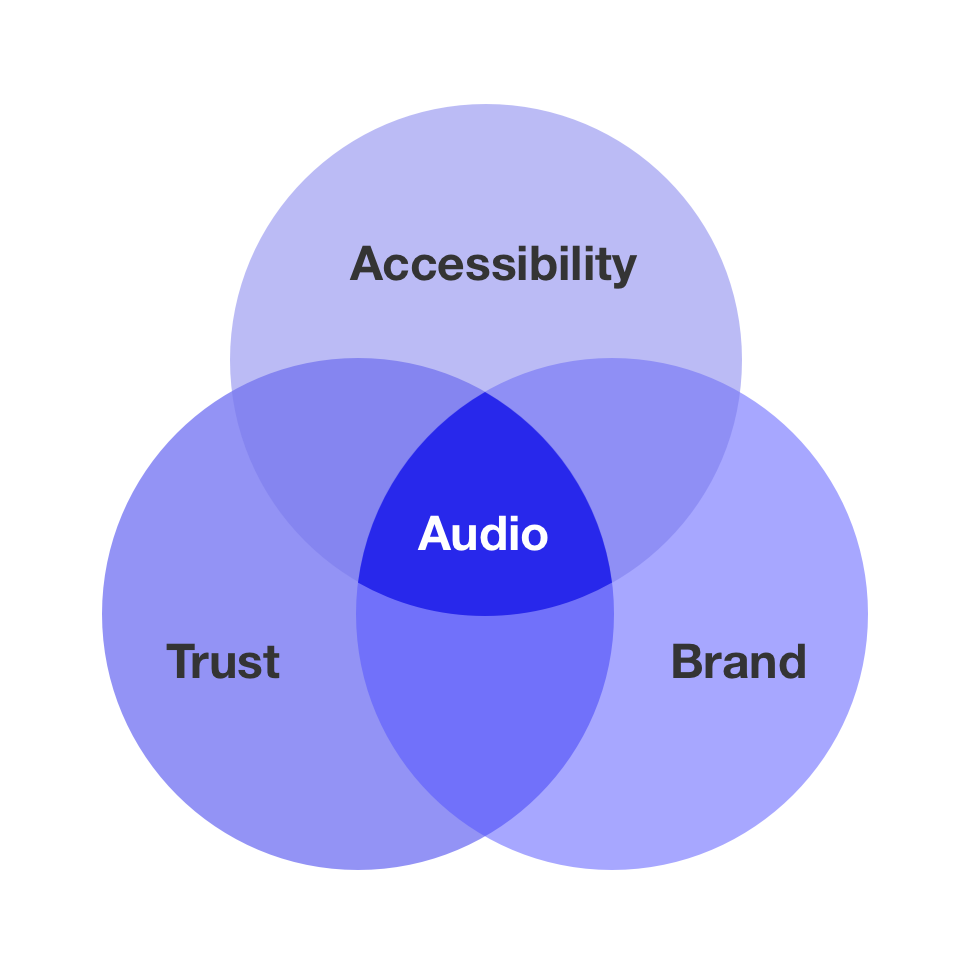
Without the presence of a driver, audio interactions becomes more vital in self-driving world for:
Trust: Unlike visual cues, audio conveys status with less attention than visuals, reassuring passengers without distraction.
Brand: Sound design reinforces brand identity, especially as shared mobility grows.
Accessibility: Audio makes journeys clearer for low-vision users and simplifies complex sensor feedback.
Design process
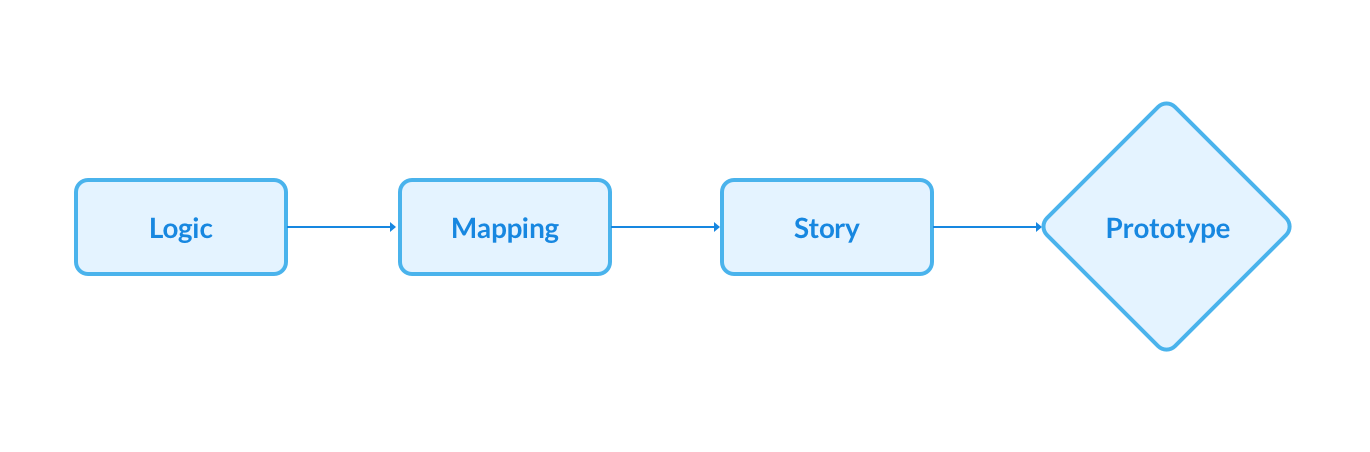
Logic
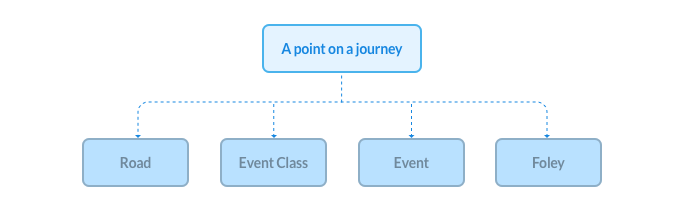
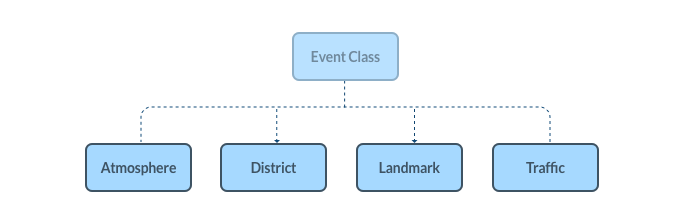
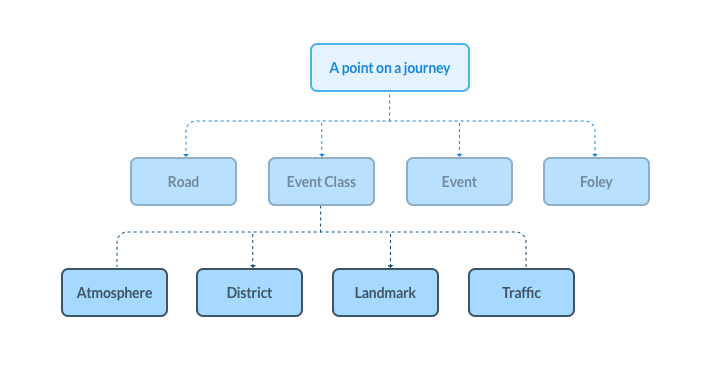
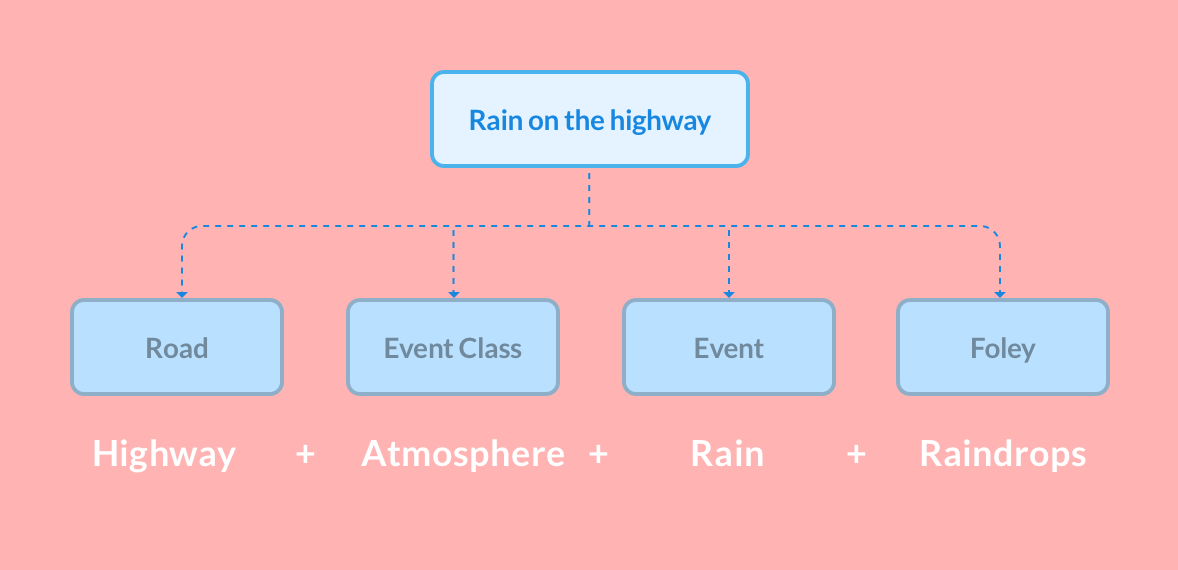
Example: Encounter a rain on the highway
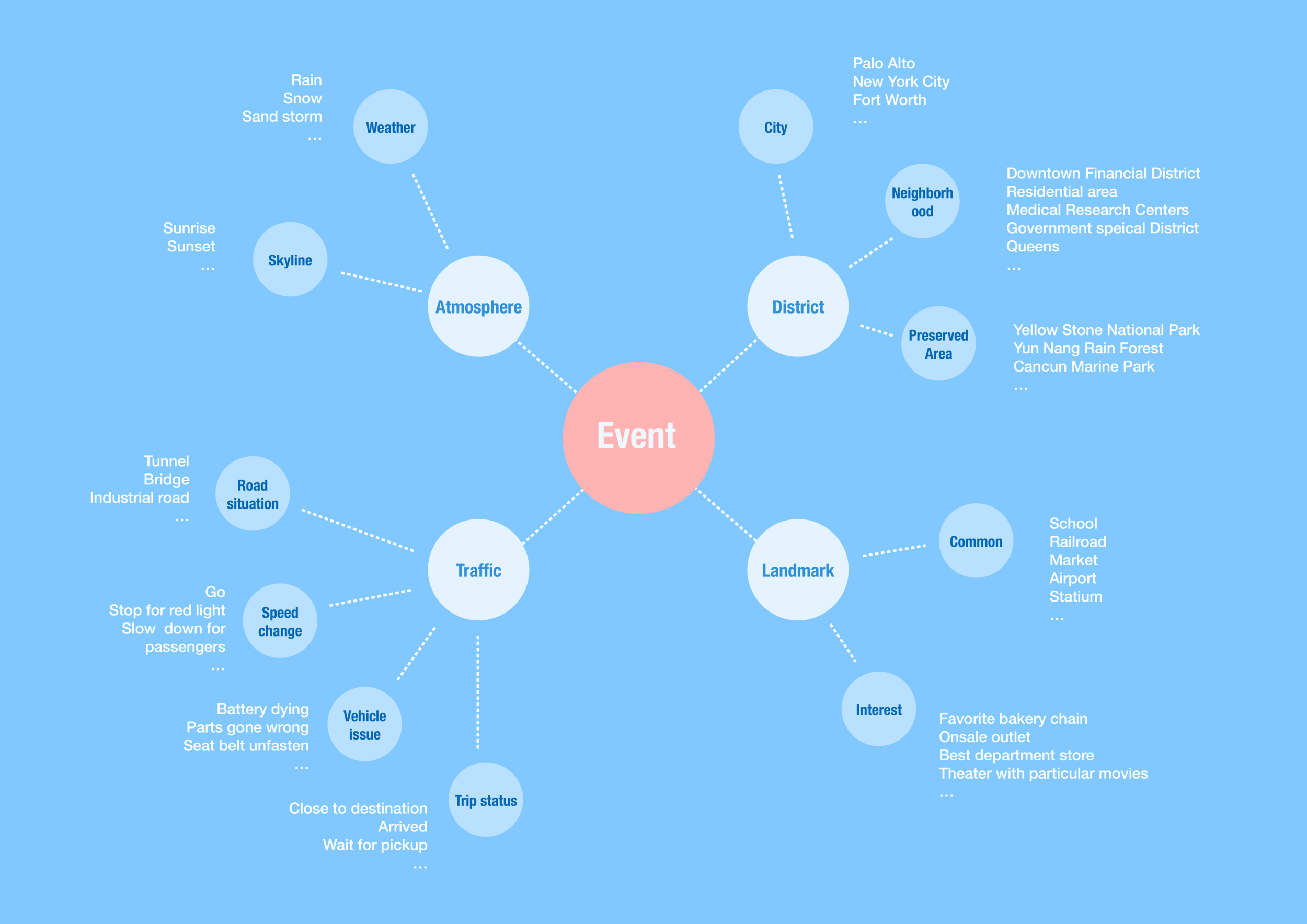
Mapping
Story
Other assets I made at Ford
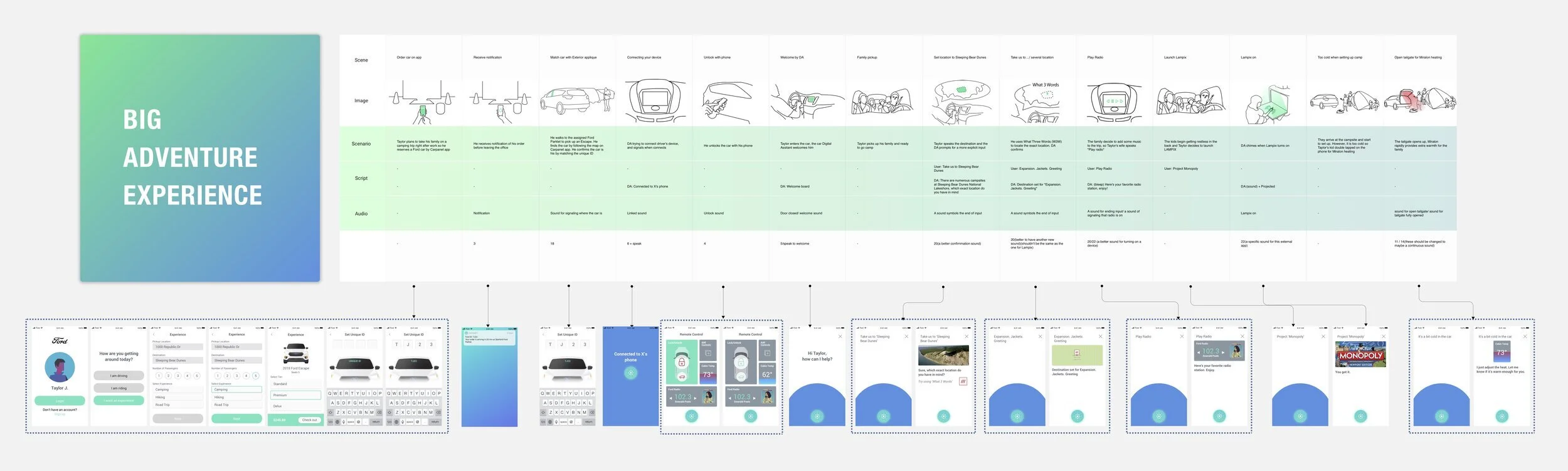
Stories and illustration on mobile-vehicle screen interaction.
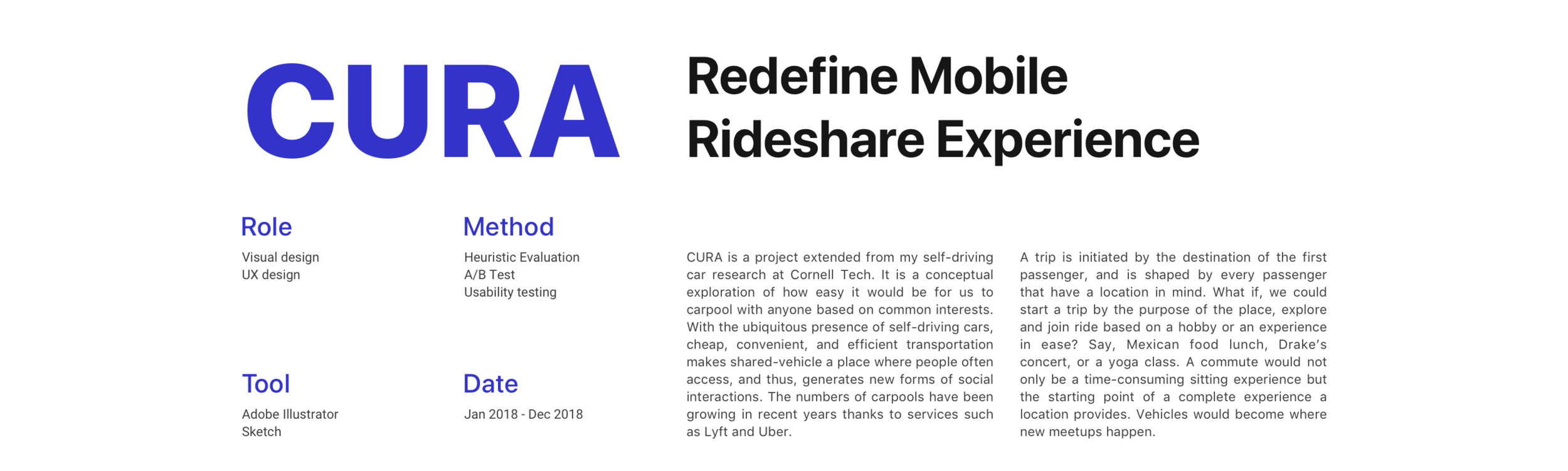
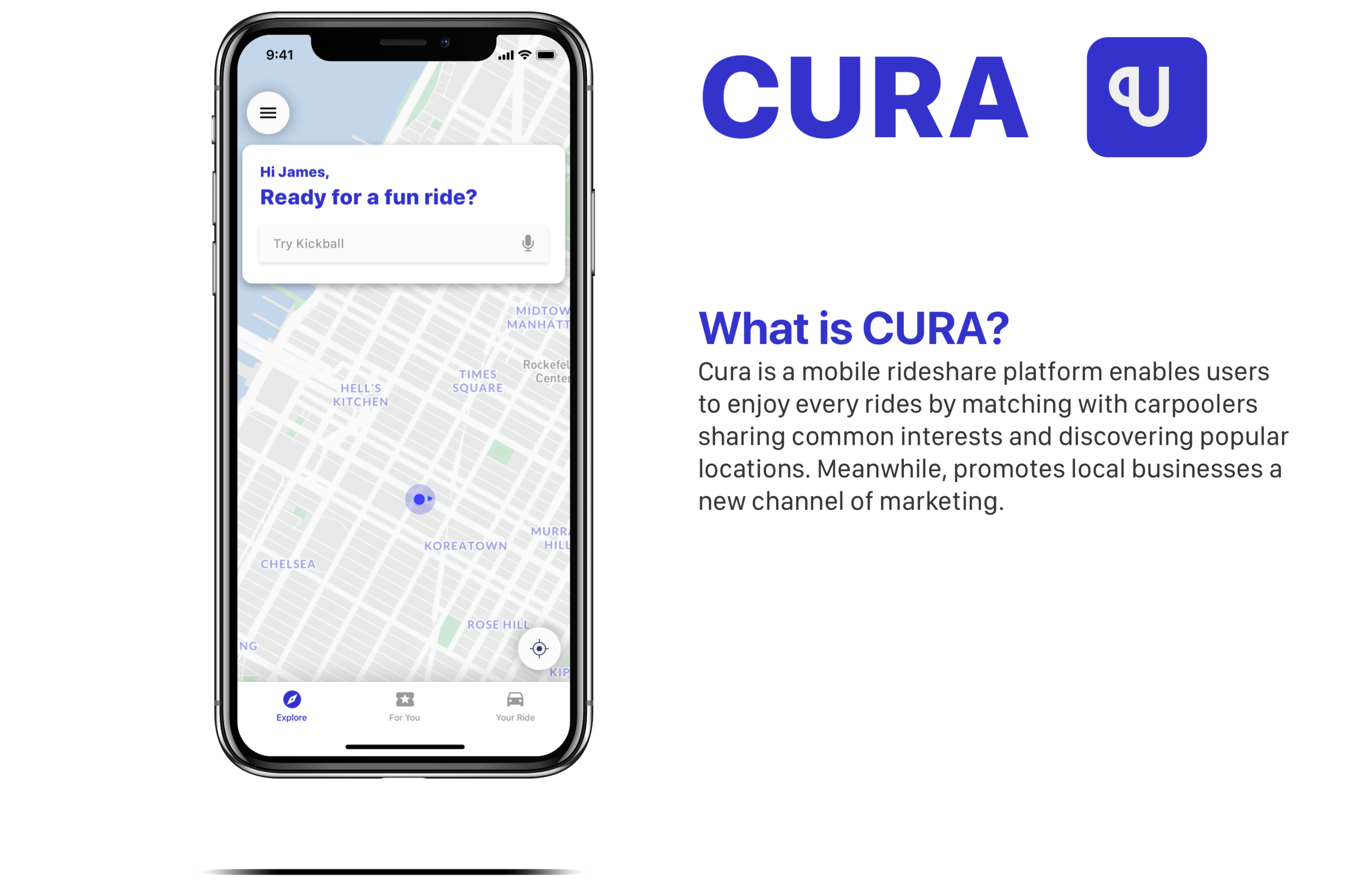
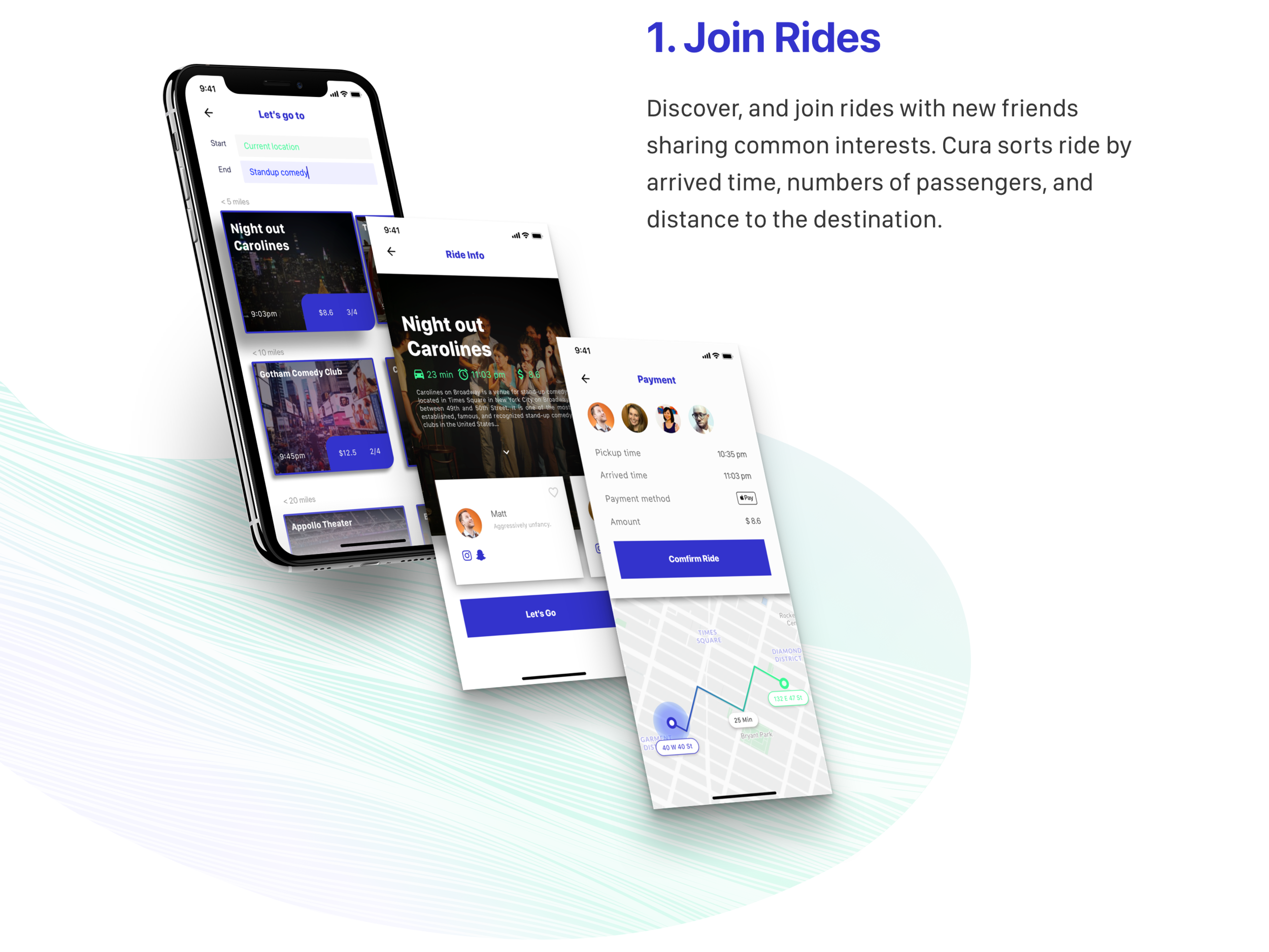
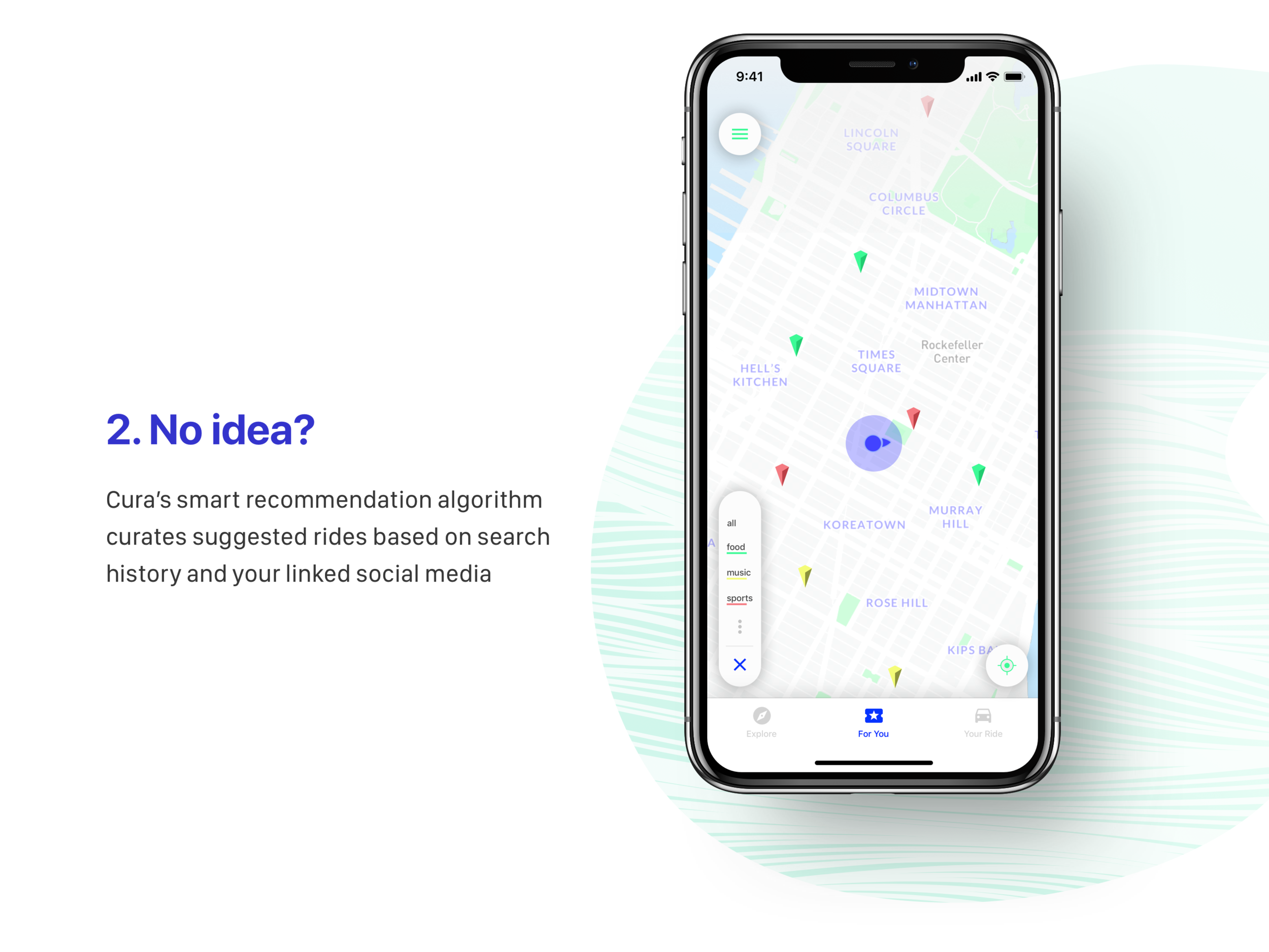
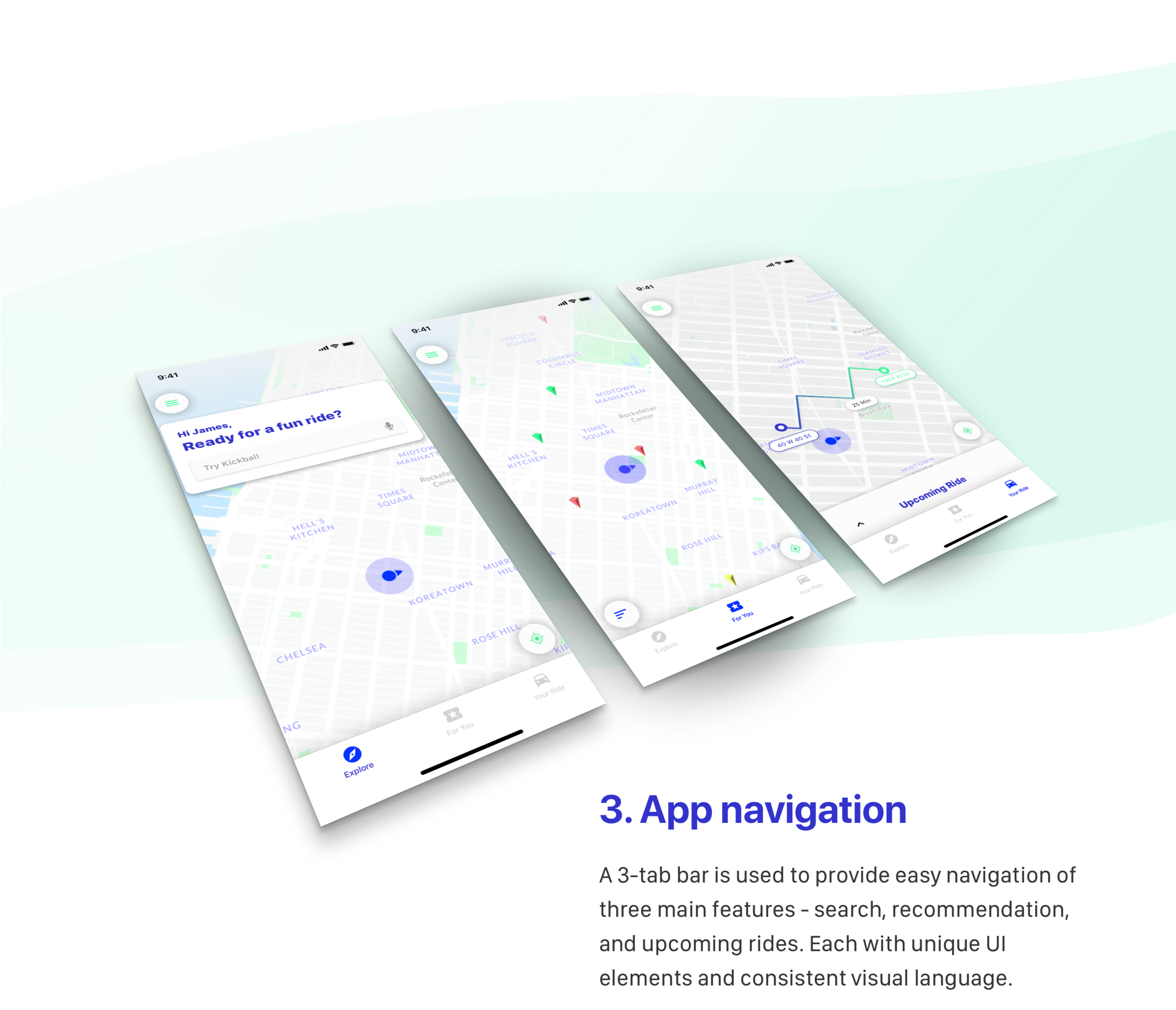
I anticipate a new form of ride-sharing will become popular once self-driving car fleet becomes more common. Since now riders do not have to pay attention to drivers or road situations in a level-5 autonomous vehicle, alongside with a cheaper ride-sharing fee due to lower operation cost, a car could become an extension of social interactions where riders continue or initiate a share experience with friends, family, or total strangers. Cura is a side project to depict this experience-based ride-sharing as a mobile app.